Keynotes
Keynote lecture – May 18th
Auditorium of the Aldo Moro Complex, University of Turin
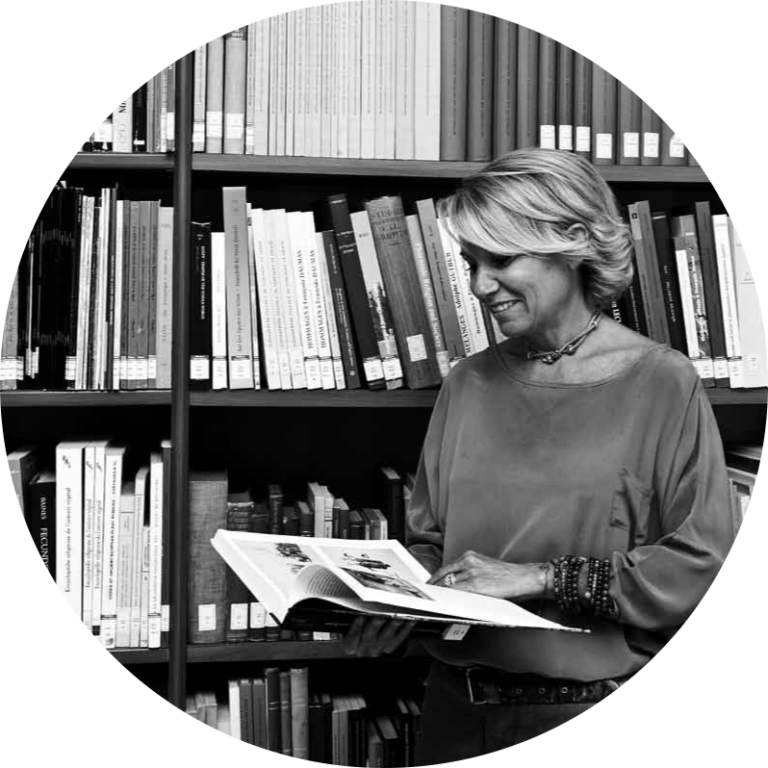
Alessia AMENTA
Vatican Museums
Vatican City – Vatican City State
The video recording is available on the UniTo Media platform. Click here to watch.
‘Let the coffin speak’: New perspectives through a material approach
The Vatican Coffin Project adopts a material-based, multidisciplinary approach to the study of coffins as dynamic objects. By integrating Egyptology, diagnostics, and conservation, it combines scientific methods with approaches from the humanities to reconstruct their complex narratives. Within this framework, museums play an active role as research spaces, where objects acquire new meanings through ongoing dialogue, analysis, and interpretation.
Alessia Amenta is curator of the Department of Egyptian and Ancient Near Eastern Antiquities of the Vatican Museums. Currently she coordinates the Vatican Coffin Project, an international team project for the study and conservation of the ‘yellow coffins’ of the Third Intermediate Period; as well as the Progetto Sekhmet, for the study of the hundreds of Sekhmet statues realized during the reign of Amenhotep III.
Keynote lecture – May 19th
Musei Reali Torino - Hall of the Swiss Guards
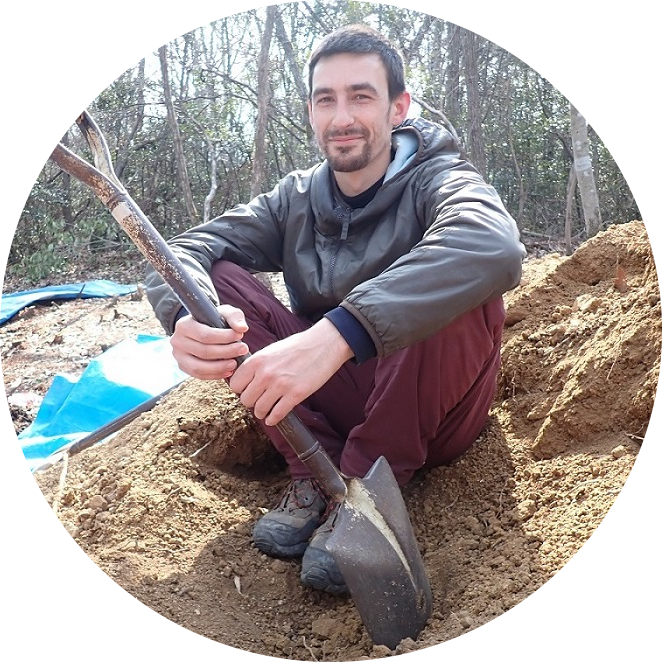
Joseph RYAN
Research Institute for the Dynamics of Civilizations
Okayama University
Okayama – Japan
The video recording is available on the UniTo Media platform. Click here to watch.
New frontiers in Japanese archaeology through
interdisciplinary research
The speaker will discuss how the needs of traditional archaeology in Japan are being met through interdisciplinary joint research. He will introduce recent projects utilizing XRF, XCT, neutron-based techniques, lead isotope analysis, and other methods in order to enhance our knowledge of the nature of Kofun-period (3rd century AD to 7th century AD) artifacts and discuss the significance of the findings.
Joseph Ryan is an archaeologist working in Japan whose research focuses on the production and circulation of metal weapons and tools during Japan’s Yayoi and Kofun periods (4th century BC to 7th century AD)
Focus lecture 1- May 20th
Congress Centre of the Association of the Industrialists
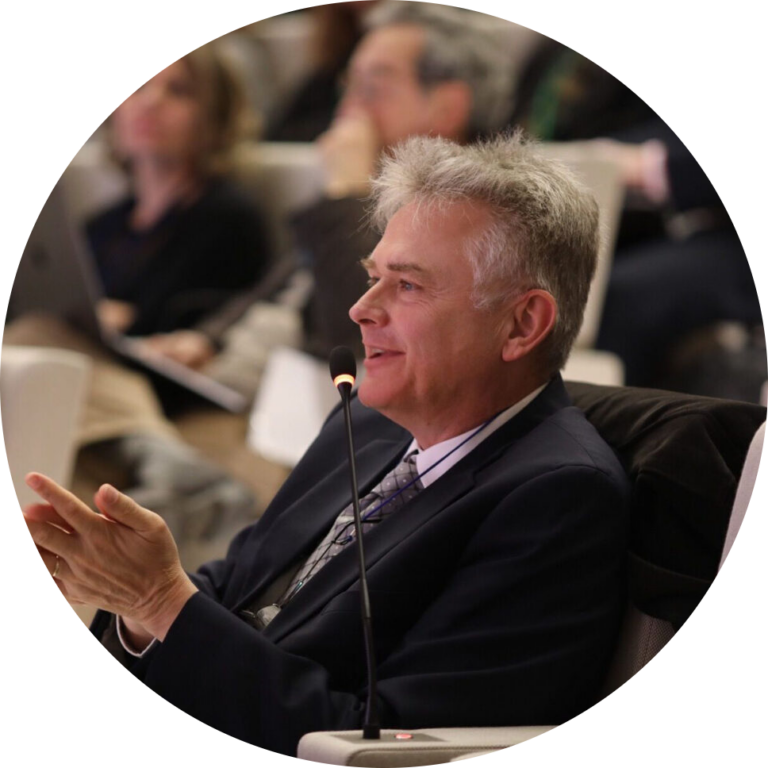
Thilo REHREN
The Cyprus Institute Archaeological Science Laboratories
The video recording is available on the UniTo Media platform. Click here to watch.
Technologies Supporting Archaeometry
The presentation focusses on two essential aspects of archaeometry: the role of organisations such as the Society for Archaeological Sciences (SAS) or the International Symposium on Archaeometry (ISA) to support collegial communication, and the contribution of research-focused analytical companies and of mainstream science- and engineering-based researchers engaging with archaeological research.
Trained in geology and archaeological materials, Thilo Rehren worked at the Deutsches Bergbau-Museum and then at the UCL Institute of Archaeology before taking up his post as A. G. Leventis Professor for Archaeological Sciences at the Cyprus Institute.
Focus lecture 2- May 20th
Congress Centre of the Association of the Industrialists
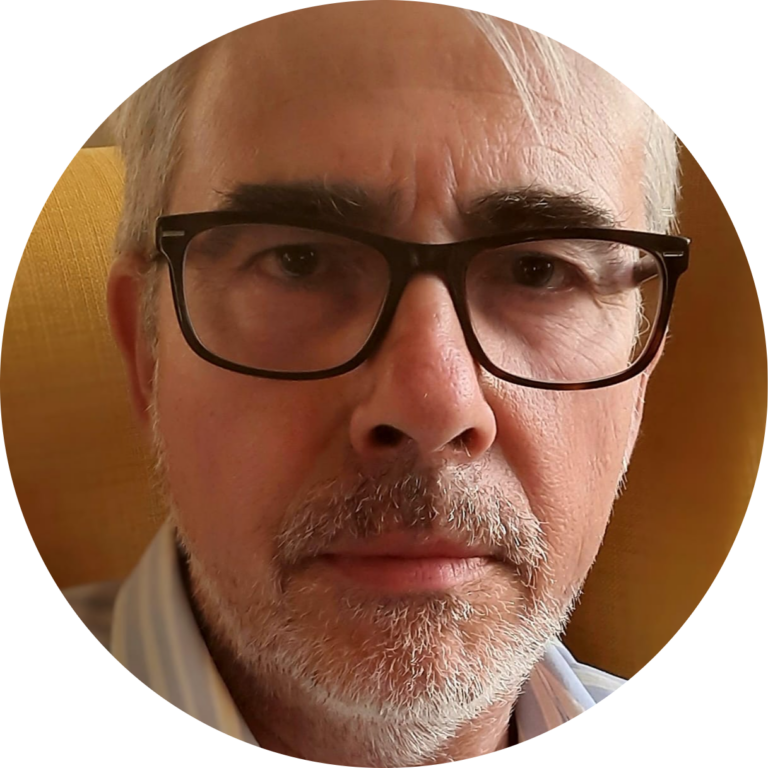
Pedro DÍAZ-DEL-RÍO
European Research Council Executive Agency
European Research Council funding opportunities for Archaeometry
The European Research Council is Europe’s most prestigious research funding body, supporting excellence-driven, curiosity-based science across career stages, from post-docs to senior researchers. The presentation highlights the core elements of ERC funding and suggests suitable panels for archaeometry-focused applications, based on a project’s scope, focus, and methodology.
Pedro Díaz-del-Río is a prehistoric archaeologist at the Spanish CSIC. His research focusses on Iberia’s Neolithic and Copper Age. He currently serves as a Scientific Officer for the ERCEA’s SH6 Panel, The Study of the Human Past.
Keynote lecture – May 22nd
Congress Centre of the Association of the Industrialists
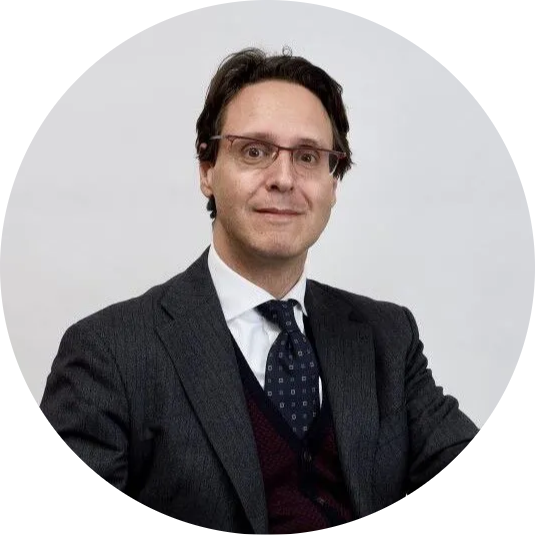
Alberto ODDENINO
Department of law – University of Turin
Turin – Italy
The video recording is available on the UniTo Media platform. Click here to watch.
Scientific Diplomacy and International Law: a framework of necessary interaction in the perspective of archeometric studies
The talk is focused on the necessary interaction of scientific diplomacy and international law with reference to the Archeometric field. Drawing from the assessment of scientific diplomacy in the broader context of cultural diplomacy, it will connect international law provisions on cultural heritage protection and archeometric disciplines (broadly seen as scientific research on cultural heritage), leading to some conclusions for the awareness, in the international practice, of some relevant ethical and legal challenges.
Alberto Oddenino is Professor of international law and international arbitration law in the University of Turin and a Visiting professor at various foreign universities, including Copenhagen, Paris Cité and Auckland. Expert of the interaction of Law and Technology he has been, since 2024, Deputy-director of the Master Programme in Cultural Property Protection in Crisis Response at the University of Turin.